
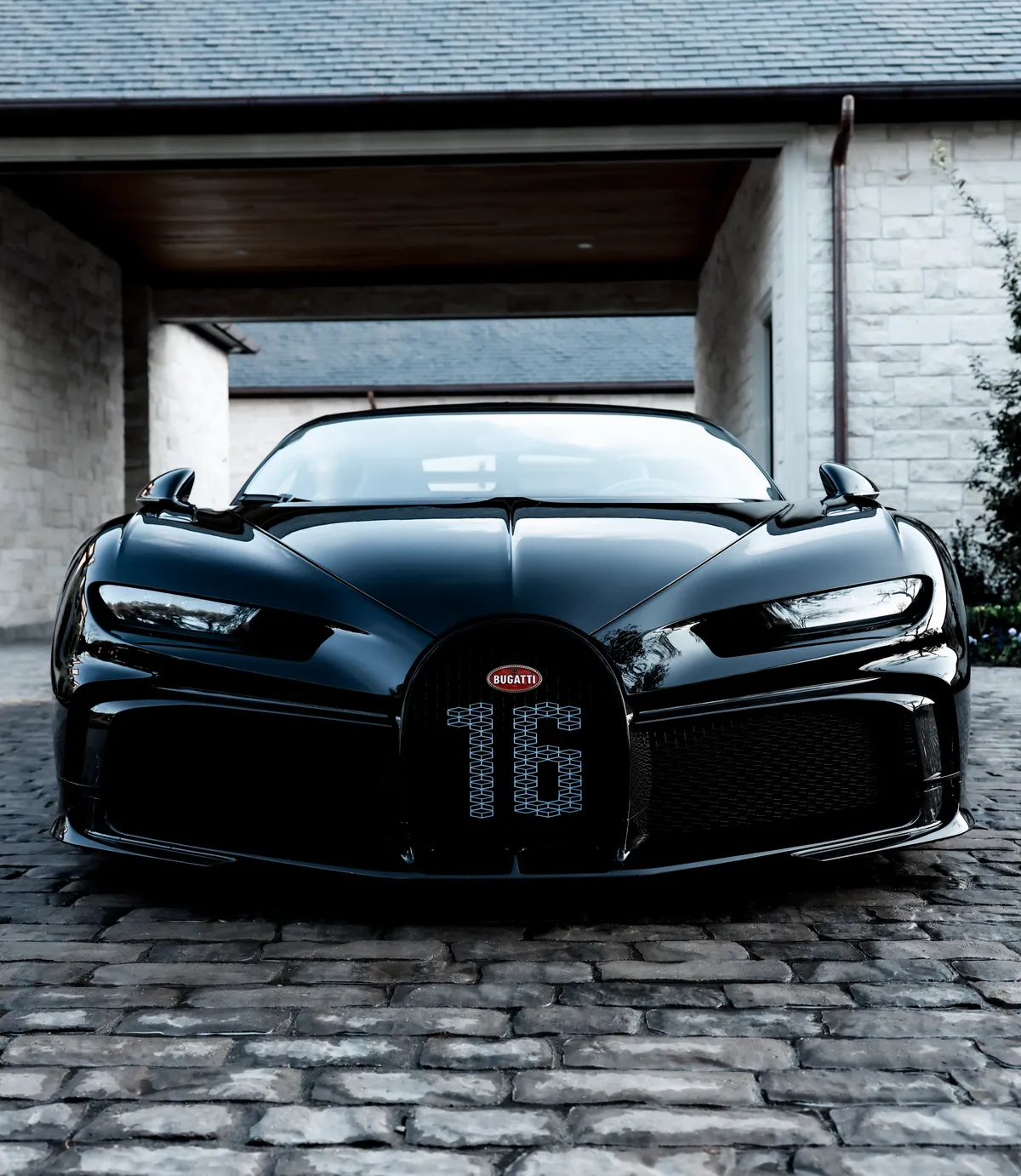
McKinney Sits in a Particular Kind of Heat
Drive through Stonebridge Ranch on a July afternoon and the asphalt is radiating. Truck beds gleam for about four days after a wash before the combination of UV, limestone-laden water, and highway falloff turns a clean finish into something that looks like it needs help. That is not an exaggeration. North DFW bakes. The UV index here is comparable to parts of Arizona, the water is hard enough to leave mineral deposits after a single rinse, and Highway 75 throws up road debris year-round.
A lot of McKinney owners reach the same conclusion and start asking about ceramic coating. Some come in already decided. Others come in with questions they are not sure how to ask. This article is for both groups.
What a Ceramic Coating Actually Does
A ceramic coating is a liquid polymer, typically SiO2-based, that bonds chemically to the clear coat. Once it cures, it forms a hard, hydrophobic layer that sits on top of your paint and takes the environmental abuse instead of the paint taking it.
Here is what that means in practical terms for North Texas driving:
- Water beads aggressively and sheets off, which reduces water spotting from the mineral-heavy water in McKinney, Frisco, and Allen
- UV resistance slows oxidation, which matters on a car that sits in a parking lot off 121 or Sam Rayburn all day
- The slick surface makes bug splatter, tree sap, and brake dust harder to bond, so maintenance washes do more with less effort
- Surface hardness is measurably higher. The 9H rating refers to pencil hardness scale testing. It is a legitimate metric. It does not mean your paint is bulletproof.
That last point is worth sitting with. Ceramic coatings are hard, but they are not thick. Paint protection film is thick. A ceramic coating will not stop a gravel chip on US-380 from reaching your clear coat. That is not a flaw in the product. It is just physics.
What a Ceramic Coating Does Not Do
This is where the honest answer separates itself from most of what you read online.
Ceramic coatings do not self-heal. If you pick up a scratch, it stays. Self-healing is a property of certain paint protection films, where heat activates the film’s top layer and minor surface marks work themselves out. A coating does not do that.
Ceramic coatings are also not permanent. The chemistry bonds well and the coating lasts, but it degrades over time under UV exposure, washing, and chemical contact. Depending on the specific coating system and how the car is maintained, you are looking at several years of genuine protection. Some products are marketed at one year. Some are marketed at five or more. The difference is usually the number of layers applied, the quality of the prep work underneath, and whether the car is maintained with the right products afterward. Coatings applied over contaminated or scratched paint do not perform the way coatings applied over corrected, clean paint do.
If the paint has swirls, oxidation, or water etching before the coating goes on, the coating seals that in. The preparation stage, often paint correction, determines a significant part of the outcome.
Coating vs. Film: How North DFW Owners Should Think About It
These two services get compared constantly, and they serve different purposes. They also work well together, which is how most serious builds are done.
| Ceramic Coating | Paint Protection Film | |
|---|---|---|
| Primary protection | Chemical, UV, water spotting | Physical impact, chips, scratches |
| Thickness | Microns | Mils (much thicker) |
| Self-healing | No | Yes, with heat |
| Coverage | Full vehicle, cost-effective | Targeted or full-wrap, higher cost |
| Longevity | Multi-year, not permanent | Multi-year, not permanent |
| Ideal for | Cars that park outside, daily drivers wanting easier maintenance | High-road-debris exposure, front clips, hoods |
A common approach for a McKinney daily driver, something that covers highway miles on the Dallas North Tollway or gets parked outside at work, is film on the high-impact zones and coating over the rest of the vehicle. That gives you impact protection where the car earns it and chemical resistance and water behavior across the whole surface.
The Prep Work Is the Product
If there is one thing I have seen over the years of formulating and watching these jobs done well and done poorly, it is this: the coating is only as good as the surface it goes onto.
In a North Texas context, cars come into a shop with a lot of accumulated damage. Hard water deposits from drive-throughs and home washes. Fine swirls from improper washing technique. UV oxidation on lighter colors. Sometimes iron falloff from sitting near rail corridors or industrial areas. All of that has to be addressed before a coating goes on, or the coating is just encapsulating damage and making it harder to correct later.
At Protektd, the car-care products used in the preparation and maintenance stages are from the Manett’s line, which I developed specifically around the conditions Texas vehicles face. Mineral-heavy water, high UV, the grit that accumulates on vehicles that cover real highway miles. The formulation decisions there are intentional and they matter in the prep process.
If you are evaluating any shop for a ceramic coating, ask specifically what surface prep involves. If the answer is a single-stage polish and a wipe-down, that is worth understanding before you commit.
Maintenance After the Coating
A ceramic coating is not a reason to wash less frequently. It is a reason to wash more effectively. Contamination left on a coated surface still bonds over time, and the coating’s hydrophobic properties are only maintained if the surface is kept clean.
The Manett’s maintenance products Protektd uses as part of its maintenance detail service are formulated to preserve the coating chemistry rather than degrade it. pH-neutral, no harsh surfactants. This matters because some off-the-shelf car wash soaps and spray waxes include chemistry that strips coating performance over time.
Protektd also offers mobile detailing for McKinney and surrounding areas, which means maintenance appointments can happen at your home or office rather than requiring a dedicated trip to the studio. For busy schedules, that is a practical option worth knowing about.
What to Take Away
Ceramic coating is a genuinely useful long-term investment for vehicles in North DFW. The UV load, hard water, and highway conditions here are exactly the conditions where a coating earns its keep over time. But the outcome depends heavily on what is done before the coating is applied and how the car is maintained afterward.
Go in knowing what the product does and does not do. Ask about prep. Ask what maintenance looks like. A shop that answers those questions directly, without overpromising, is one worth trusting with your car.