
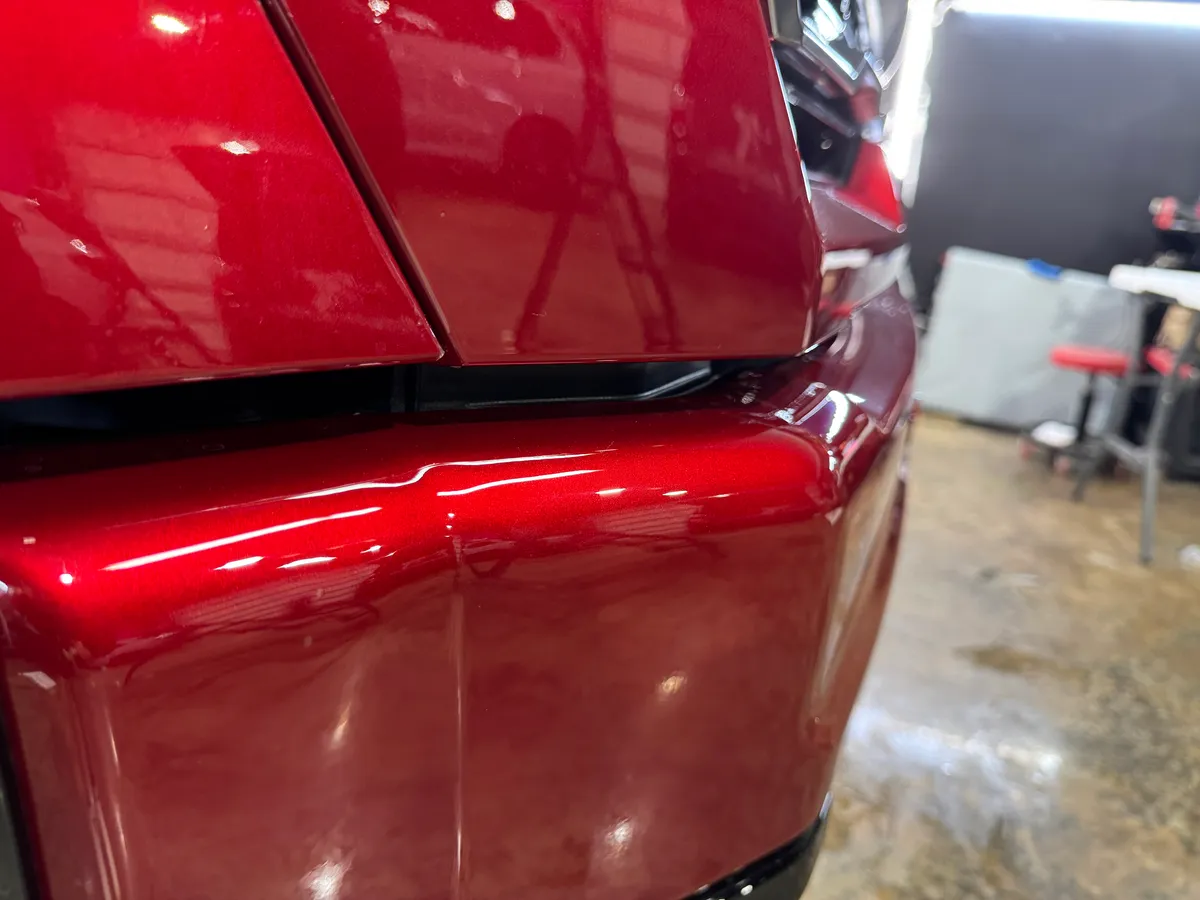
Walk into any auto parts store and you will find ceramic coating kits for thirty to a hundred dollars. The marketing is good, the price is tempting, and the question is fair: if a bottle costs a fraction of a professional job, why pay for the professional one? Here is the honest answer, including the cases where DIY is genuinely the right call.
What a consumer kit actually is
Most consumer “ceramic” products are spray-on or wipe-on coatings with a low concentration of the active ingredient. They add real slickness and water beading, and they make the car easier to clean for a while. What they are not is the same thing a professional installs.
The trade-off is durability and hardness. A consumer spray might last a few weeks to a few months. A properly applied professional-grade coating is measured in years. The bottle is real protection, just a lighter, shorter-lived version of it. If your expectation is “a nice boost that I reapply often,” a kit can deliver that. If your expectation is “years of hard protection,” it cannot.
The part the kit does not include
Here is what the price comparison usually hides. The bottle is a small fraction of a professional job. The real work, and the real cost, is everything that happens before the coating goes on.
A professional coating job is mostly preparation: a thorough wash, a decontamination step to pull bonded contaminants out of the paint, then paint correction to remove swirl marks and restore clarity, then a final wipe-down so the coating bonds to bare clear coat instead of polishing oils. Only then does the coating go on, in a controlled environment, and cure properly.
A coating bonds to whatever is underneath it. Skip the correction and you seal flaws in permanently. This is the single biggest reason a DIY application disappoints: the product goes on over paint that was never corrected, so it locks in the haze. We cover why this step is non-negotiable in why paint correction comes before any ceramic coating.
Where DIY genuinely makes sense
This is not a pitch to never touch a bottle. DIY ceramic spray is a good tool in specific cases:
- Maintaining an already-coated car. A light ceramic spray is a great top-up between professional maintenance washes. It refreshes slickness and beading without much effort.
- A short-term or budget vehicle. If you are selling soon or the car is a beater, a quick boost is reasonable.
- You enjoy the process and accept the limits. If you like detailing your own car and you know the spray is a months-long boost rather than years of armor, go for it.
In those cases, a kit is the right amount of protection for the goal.
Where DIY usually backfires
The disappointment happens when someone uses a consumer kit expecting professional results:
- On uncorrected paint. The flaws get sealed in, and now they are harder to fix.
- On a newer car they plan to keep. Soft factory paint and a long ownership horizon are exactly the case where real, durable protection pays off, and a thin spray underdelivers.
- Without the right conditions. Coatings are sensitive to temperature, dust, and technique. A garage floor on a hot Texas afternoon is a hard place to get an even, flaw-free layer.
The math also surprises people. The bottle is cheap, but your time is not, and a botched DIY application often has to be corrected by a professional anyway, which costs more than doing it right once.
How to think about the money
Compare the real options, not the bottle against the job:
- DIY spray: low cost, light protection, frequent reapplication, no correction, results depend on your paint’s current condition.
- Professional coating: higher cost, multi-year protection, includes correction and proper prep, applied and cured in a controlled environment.
For a car you plan to keep, the professional route is usually the better value over the years you own it, because it is correction plus durable protection done once, instead of a recurring boost over flaws that never got fixed. For honest market pricing on the professional side, see what ceramic coating actually costs in Dallas, and for the bigger worth-it question, is ceramic coating worth it.
The Dallas factor
Texas heat shortens the life of light consumer coatings faster than the label suggests. UV and high temperatures break down thin layers quickly, so a spray that claims a few months in mild weather may give you less here. The harsher the climate, the more the durability gap between a consumer kit and a professional coating actually matters. More on our conditions in protecting your car from the Texas summer heat.
The honest takeaway
A consumer ceramic kit is real, useful protection for the right job: maintaining a coated car, boosting a short-term vehicle, or scratching the DIY itch with clear expectations. It is not a substitute for a professional coating on a car you want to look great and stay protected for years, because the bottle was never the expensive part. The correction and prep are, and that is exactly what a kit leaves out.
If you are weighing DIY against a professional job and want a straight answer for your specific car, request a tailored quote. We will tell you honestly whether your paint needs correction first and what level of protection actually fits how you drive and how long you plan to keep it.