
Ask ten people whether ceramic coating is worth it and you’ll get ten different answers, most of them shaped by either a great install or a disappointing one. The product sits in an awkward spot: it’s marketed aggressively, it’s genuinely useful, and it’s also routinely oversold. That combination leaves a lot of car owners unsure whether they’re buying real protection or an expensive wax with better branding.
So here’s the honest version. No “lifetime” language, no Mohs-scale myths, no pretending a coating does things it physically cannot. Just what ceramic coating actually delivers, what it doesn’t, and how to tell which camp you fall into before you spend the money.
What Ceramic Coating Genuinely Does
A ceramic coating is a liquid polymer that bonds chemically to your clear coat and cures into a hard, transparent layer. That’s not marketing — it’s a real, measurable change to the surface of your paint. Here’s what that change buys you.
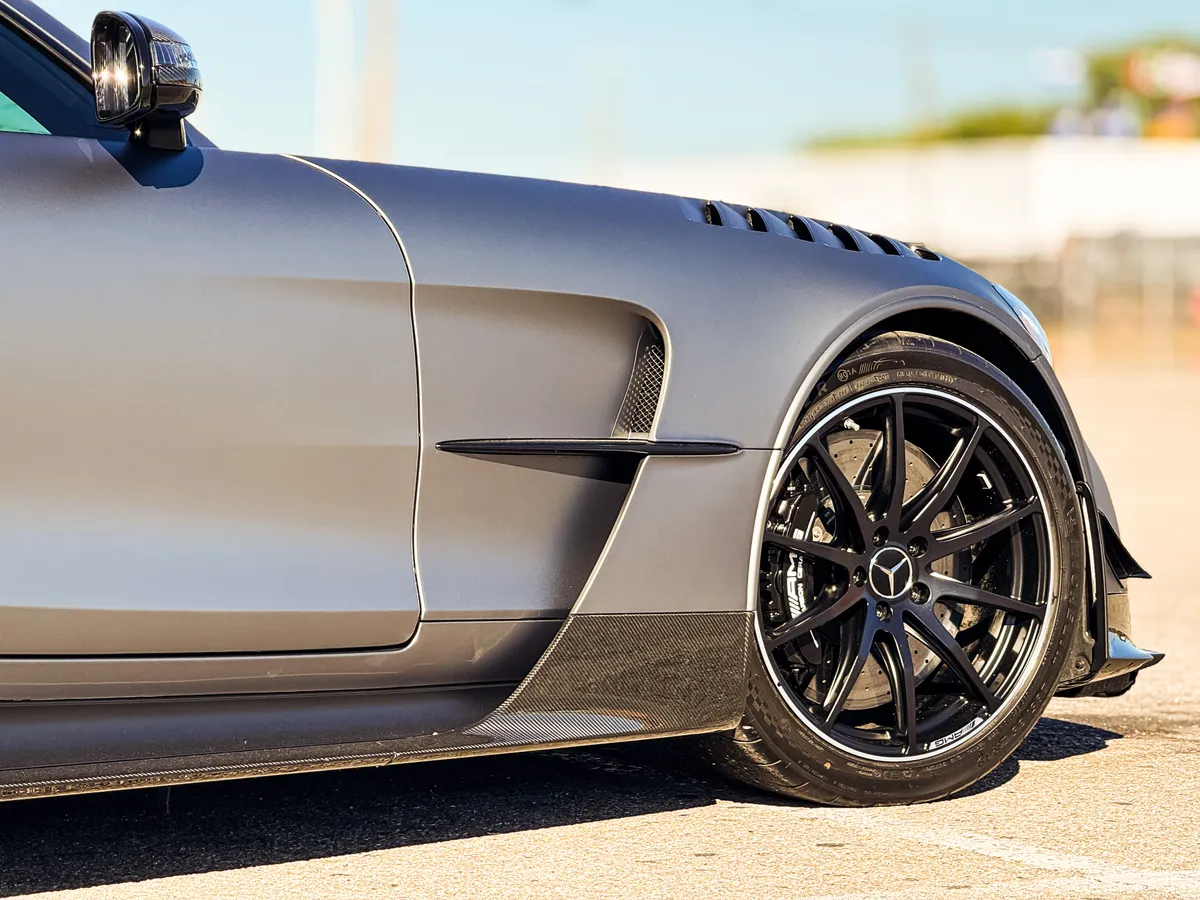
Gloss and depth. A properly applied coating makes paint look wetter and deeper than wax ever could. The coating fills the microscopic texture of the clear coat and reflects light more uniformly. On darker colors especially, the difference is obvious in person.
Hydrophobicity. This is the property everyone films for social media — water beading up and sheeting off. It’s not a gimmick. A hydrophobic surface means water, road grime, and dissolved minerals struggle to cling to the paint. Rain carries dirt off instead of leaving it behind, and the car stays cleaner between washes.
Easier washing. Because contaminants bond less aggressively to a coated surface, washing takes less effort and less aggressive product. You spend less time scrubbing, which means fewer chances to introduce swirl marks. Over years of ownership, that’s a real reduction in wear-and-tear on your finish.
UV resistance. In Dallas, this matters more than almost anywhere. Our sun oxidizes uncoated paint and fades trim noticeably faster than northern climates. A ceramic coating is one of the most effective UV barriers available for automotive paint, and it slows the oxidation that turns a glossy finish chalky.
Chemical-etch resistance. Bird droppings, tree sap, and industrial fallout are acidic. Left on bare paint in the heat, they etch the clear coat. A coating gives you a buffer — a sacrificial layer and more reaction time before that contamination reaches your actual paint.
What Ceramic Coating Does NOT Do
This is the half of the conversation that gets skipped in a lot of sales pitches, and skipping it is exactly how customers end up disappointed.
It does not stop rock chips. A ceramic coating is measured in microns. It is a chemical layer, not a physical barrier. A stone off a DFW highway will chip coated paint exactly as easily as uncoated paint. If impact protection is your goal, that’s a job for paint protection film, which is a thick, self-healing urethane layer built specifically to absorb that energy. Coating and PPF solve different problems — one is chemical and cosmetic, the other is physical.
It does not self-heal. PPF self-heals; ceramic coating does not. If you drag a shopping cart across a coated panel, the scratch stays. Don’t let anyone blur this line for you.
It is not permanent. A quality professional coating is long-lasting — multi-year, even up to a decade for top-tier packages when maintained properly — but it is not permanent. It wears, and it eventually needs renewal. Anyone using the word “permanent” is either careless with language or careless with your expectations.
It does not replace washing. A coating makes washing easier; it does not make it optional. Dirt left sitting on a coated surface long enough will still embed and dull the finish. The coating rewards maintenance — it does not eliminate it.
It does not fix existing defects. This one’s important before you buy. A coating locks in whatever is on the paint underneath it. Swirl marks, water spots, and oxidation get sealed in and, because the coating adds gloss, often become more visible. If your paint has defects, paint correction needs to happen first. A coating is a finishing layer, not a repair.
Who It’s Genuinely Worth It For
Set the marketing aside and the value question gets simple. Ceramic coating is worth it when the math and the use-case line up.
New-car owners. If you’ve just bought a vehicle, the paint is in the best condition it will ever be. Coating it now preserves that baseline instead of paying for correction later. This is the cleanest case for a coating.
People who keep cars for years. The longer you own a vehicle, the more the gloss retention, easier maintenance, and UV protection compound in your favor. A coating spread across five-plus years of ownership is an easy value argument.
Daily drivers parked outside. If your car lives in an open lot or a driveway under the Texas sun, you are the person UV and chemical-etch resistance were built for.
Owners who want their car to look good with less effort. If you enjoy a clean car but not the labor, a coating genuinely reduces the work. That convenience has real value if you’d otherwise pay for frequent details anyway.
Anyone planning to resell. Preserved, glossy, well-maintained paint reads as a cared-for vehicle. A coating helps protect resale appearance over the ownership window.
Not sure whether your paint is ready for a coating or needs correction first? Bring it by our Harry Hines Boulevard studio. Every Protektd ceramic quote includes an in-person paint inspection — we tell you honestly what your finish needs before anyone quotes a number. Request your inspection here.
Who Should Probably Skip It
Being honest about this builds more trust than pretending the answer is always yes.
Short-term owners. If you’re leasing for a couple of years or you flip cars often, you may not own the vehicle long enough for a premium coating to earn its cost back. An entry-level coating or even good sealant might fit better.
Owners chasing chip protection. If your real concern is rock chips and bumper rash from highway miles, a coating is the wrong tool. Put that budget toward PPF instead — coating it afterward is optional, but the film is the part doing the protecting.
Anyone unwilling to maintain it. A coating on a car that goes through abrasive automatic brush washes and never gets a proper wash will underperform and wear early. If you know you won’t maintain it, you won’t get your money’s worth.
Cars with neglected paint and a tight budget. If the paint needs significant correction and the budget only covers either correction or coating, fix the paint first. A coating over bad paint just makes the bad paint glossier.
What Separates a Good Coating Investment From a Bad One
The coating itself is only one variable. The result depends on three things.
Product tier. Consumer DIY sprays are a different category from installer-grade coatings — they’re 1–2 year products at best. Professional coatings, like the packages we install, are formulated for multi-year durability and carry warranty backing. Know which you’re buying.
Paint preparation. Whatever is on the paint when the coating cures is sealed underneath it. Proper prep — multi-stage wash, decontamination, clay treatment, correction where needed — is the difference between a coating that looks stunning and one that locks in flaws.
Installer skill. Coatings are unforgiving of poor technique. Flash times, leveling, and even application all require experienced hands, or you end up with high spots and streaking. A specialized installer with volume on a specific product line is worth more than a low quote from a generalist.
The Bottom Line
Is ceramic coating worth it? For a new-car owner, a long-term keeper, or anyone parking outside under the Dallas sun, yes — it delivers genuine gloss, easier maintenance, and real UV and chemical protection, and a quality install pays that back over years of ownership.
For a short-term owner, a chip-protection shopper, or someone who won’t maintain it, the honest answer is no, or not yet.
The product is real. It’s just not magic. Match it to your actual situation, prep the paint properly, and put it in skilled hands, and a ceramic coating is one of the better things you can do for your car. Buy it because a sales pitch sounded good, and you’ll be the next person telling friends it wasn’t worth it.