
What Lovebugs Actually Do to Your Paint
Every spring and fall, somewhere around I-35 between Waco and the Metroplex, your windshield turns into a graveyard. If you have driven that stretch in May, you know exactly what I mean. The bugs hit in waves. By the time you reach Dallas, the front fascia, hood, and side mirrors are plastered.
Most people treat lovebugs as a nuisance. They are more than that. The bodies of Plecia nearctica are slightly acidic, and their egg masses are even more so. Once the carcasses bake under a Texas sun, the proteins and fatty acids in them begin to break down. That breakdown accelerates on dark paint sitting in a parking lot at 95 degrees. What starts as surface contamination becomes etching, sometimes within 24 to 48 hours. The paint does not look damaged right away. A week later, you start to see the dull, pitted hazing in your clear coat. That is permanent until someone cuts it out mechanically.
The good news is that the damage is almost entirely preventable. The bad news is that most of the advice floating around online will either waste your time or scratch your paint.
Why Standard Washing Is Not Enough Here
You pull into a gas station, run the car through an automatic tunnel wash, and figure you handled it. Here is the problem. Dried lovebug material bonds to the surface. The detergent in a standard tunnel wash is designed for road film, not protein-based contamination. The brushes or curtains either skip over the stuck material or drag it across the paint under pressure, leaving fine scratches in the clear coat.
If you are in DFW and you have been running through a drive-through wash every two weeks, your paint has micro-marring in it already. This is true regardless of how clean the car looks from ten feet away.
Removing lovebugs correctly requires a brief dwell step. A pH-neutral car soap or a dedicated insect-removal product applied wet, allowed to sit for 60 to 90 seconds, then rinsed before any contact. The goal is to rehydrate the material so it releases from the surface rather than being dragged off it. After the rinse, a second gentle hand wash with a quality microfiber mitt. That is the baseline. There is no shortcut that does not cost you something in the clear coat.
What Your Protection Layer Does (and Does Not) Do
This is where I want to be direct with you, because the marketing around paint protection overpromises.
Ceramic coatings create a hard, hydrophobic layer over your clear coat. That layer raises the surface energy enough that contaminants, including bug splatter, do not bond as aggressively. Removal is meaningfully easier than on bare paint. A rinse with light agitation will take care of the majority of lovebugs on a coated car that got washed within a day or two. The coating also slows the acidic damage process because the bugs are sitting on the coating, not directly on your clear coat. A multi-year coating like what we install using Ceramic Pro is rated at 9H hardness, meaning it resists light scratching and environmental fallout better than unprotected paint. What it does not do: it does not make your car immune to etching if you leave a heavy bug deposit baking for days. It buys you time. Use that time.
Paint protection film goes further. A quality PPF installation physically absorbs minor abrasion and, critically, self-heals with heat. Light scratches from dragged bug debris will close up in warm weather. The film also provides a physical barrier against the acidity that causes etching. For the front end of a car that sees significant highway mileage, PPF is the more capable option for this specific problem. It costs more than a coating. It should. The protection profile is different.
Neither coating nor film is a reason to delay cleaning. Both extend your margin for error. Neither eliminates the need to act.
How to Remove Them Without Making It Worse
Here is a short comparison of the removal approaches people typically reach for.
| Method | What it does well | Where it fails |
|---|---|---|
| Tunnel car wash | Fast, convenient | Does not dwell; risks dragging dried material across paint |
| Wet dryer sheet (damp) | Loosens fresh material on glass and paint | Questionable long-term on clear coat; not consistent enough |
| Dedicated bug remover spray | Designed to dissolve protein bonds; works well | Needs dwell time; still requires gentle hand wash after |
| Waterless wash applied dry | Works on fresh bugs | Should not be used on dried, caked-on material |
| Hand wash with foam cannon pre-soak | Most controlled method | Takes more time; requires proper wash media |
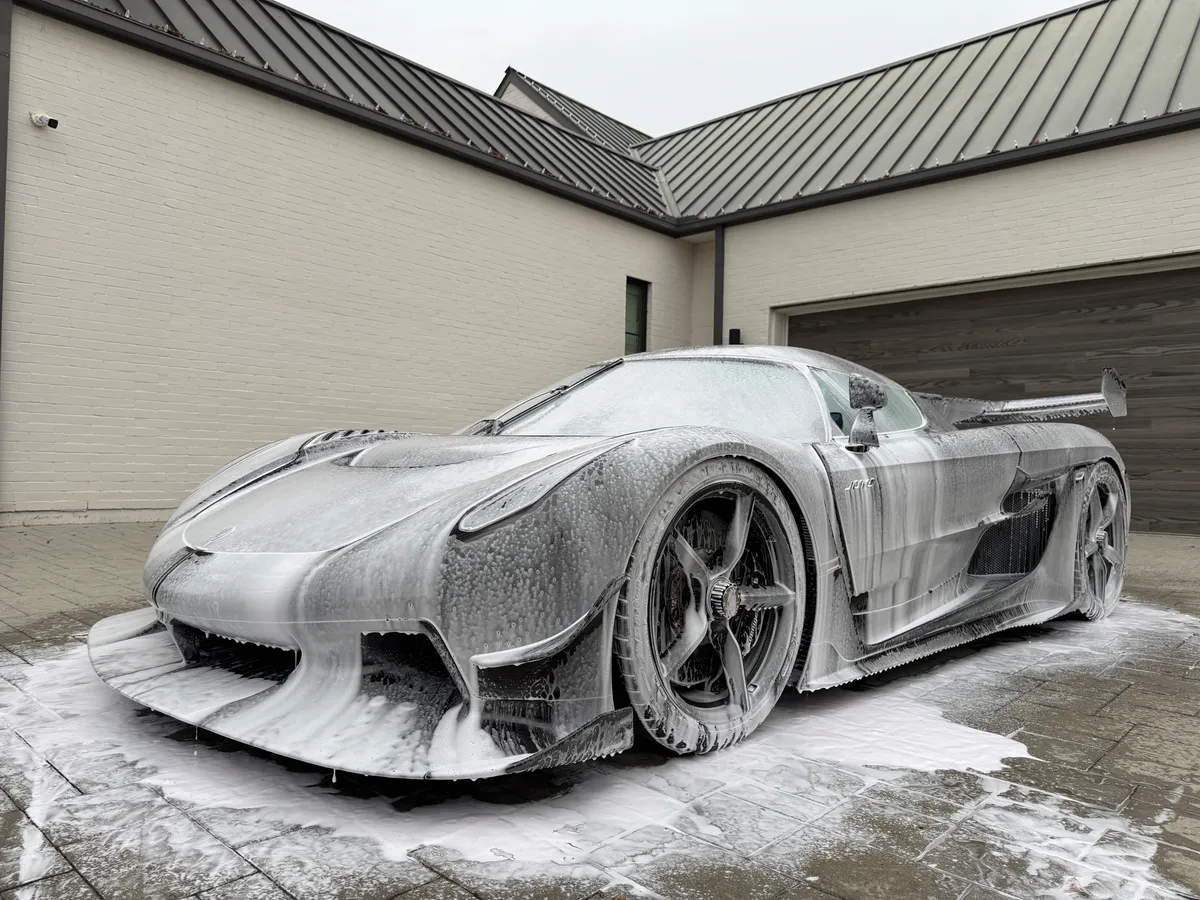
The foam cannon pre-soak or a spray-on bug remover with a dwell step are your two most reliable options if you are doing this yourself. Work panel by panel. Do not let the product dry on the paint. Rinse thoroughly. Follow with a full hand wash, not just a rinse.
If the car has not been washed in a while and the bugs have fully dried and darkened, do not try to force them off at home. That is when you need someone with a paint decontamination process, a clay bar, and possibly a paint correction pass to address any etching that has already occurred.
The DFW Timing Problem
North Texas does not get a true lovebug season the way South Texas or Florida does, but we sit at the edge of the range, and I-35 and I-45 bring cars up from Houston and San Antonio carrying bugs from heavier impact zones. If you are driving south for work or recreation during May and October, you are likely hitting the density. The heat matters here too. A car parked in a surface lot in Frisco or Uptown at noon in May will bake those bugs faster than the same car parked in shade in Houston. Our temperatures accelerate the chemistry.
The practical calendar for DFW: check the front end after any trip south between April and June, and again in September and October. Do not wait for your regular wash schedule if the front end took a heavy hit. Same-day or next-morning cleaning is not perfectionism. It is what the paint requires.
Getting Ahead of Next Season
If you have already noticed dull spots or haziness on your hood or front bumper from this spring, that is etching. A wash will not remove it. Polishing will. The question is whether to address the correction now and protect the refreshed surface before the fall season, or wait and compound the damage.
Most of the vehicles I see with significant paint issues got there gradually, through repeated small neglect events that each seemed minor. Lovebugs are one of those events. They are predictable, seasonal, and almost entirely manageable with a decent wash routine and the right protection in place beforehand.
Clean the car promptly. Protect the paint before the season arrives. Those two things account for the majority of what keeps a vehicle looking the way it should after years of Texas roads.