
The most important part of a ceramic coating is not the coating. It is what happens to the paint before the coating goes on. A coating bonds to the surface and seals in whatever is there, flaws included. That single fact is why paint correction comes first, every time.
What a coating does and does not do
A ceramic coating adds a hard, hydrophobic layer that makes paint easier to clean and holds a deep gloss for years. What it does not do is fix the paint underneath. If your clear coat is full of swirl marks, water spots, and oxidation, a coating will lock that haze in under a glossy top layer. The car will be protected, but it will not look corrected, and you cannot polish those flaws out later without removing the coating.
That is the trap with shops that skip correction to quote a lower price. You get a coating over damaged paint, and the result is permanent until the coating wears off.
What paint correction actually is
Paint correction is multi-stage machine polishing that removes a thin, controlled amount of clear coat to level out defects. Done right, it erases swirl marks, light scratches, water spots, and oxidation, and it restores the depth and clarity that make a finish look wet.
It is called multi-stage because it usually takes more than one step: a cutting stage to remove the defects, then refining stages to bring back full clarity and remove the haze the cutting leaves behind. The number of stages depends on how bad the paint is and how hard the clear coat is.
What “Stage 1” means and why we include it
We include a Stage 1 paint correction with every ceramic coating. Stage 1 is a single-step polish that removes the majority of light to moderate swirl marks and restores gloss. For a newer or well-kept vehicle, that is often all the paint needs before coating.
Heavily neglected paint, deep scratches, or sun-baked oxidation may call for additional correction stages beyond Stage 1. We inspect the paint and tell you honestly what it needs. We will not quote a multi-stage correction on a car that only needs one, and we will not coat over damage that a correction should address first.
Why this matters more in Dallas
Texas paint takes a particular kind of abuse. Months of intense UV oxidize an unprotected clear coat. Automated car washes and improper hand washing grind in swirl marks. Heat bakes contamination into the surface. By the time many owners decide to coat a car, the paint already needs correction to look its best.
Coating that paint without correcting it first wastes the coating. You are paying for years of protection over a finish that is already hazed.
What the process looks like
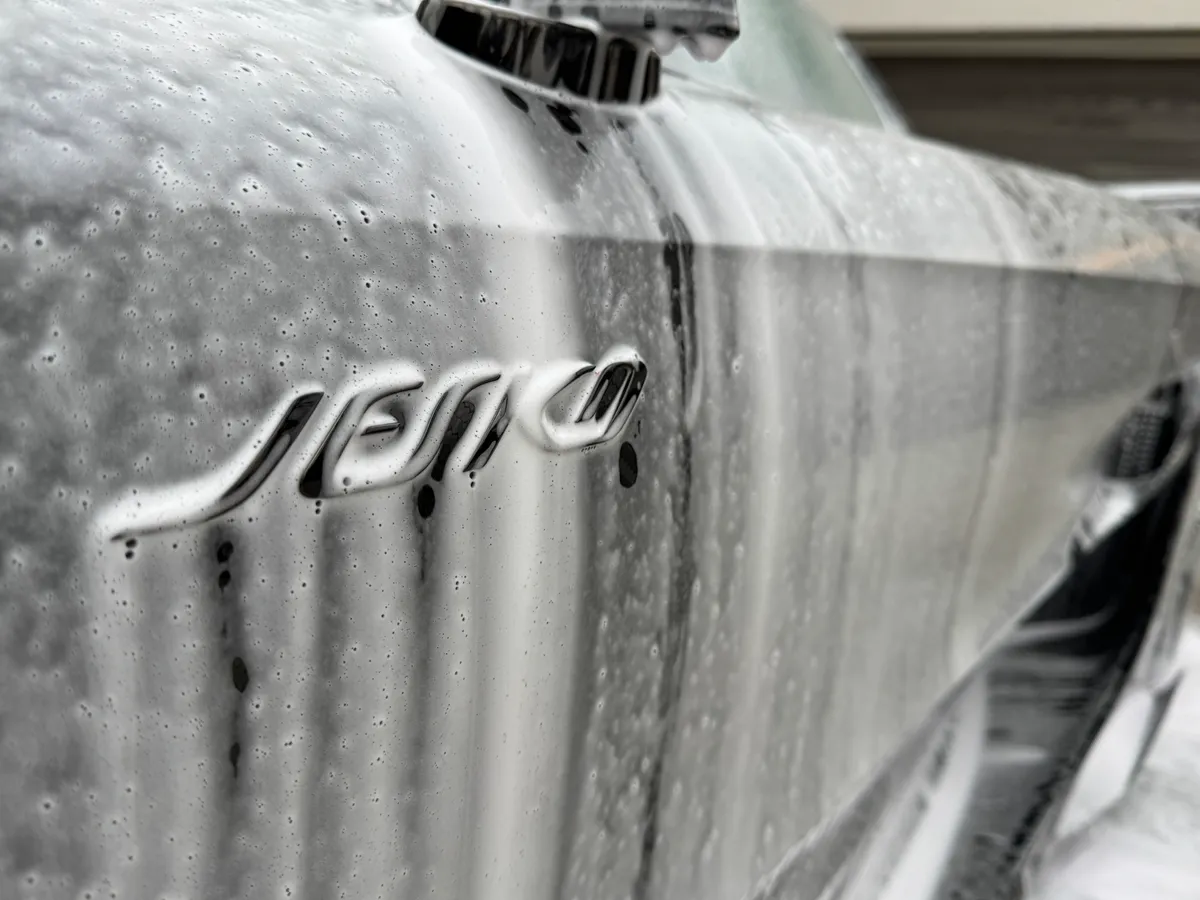
On a typical coating job, the sequence is: a thorough wash, a decontamination step to pull bonded contaminants out of the paint, then the correction itself, then a final wipe-down to remove polishing oils so the coating can bond to bare clear coat. Only then does the coating go on. After it cures, the vehicle clears one final inspection before it is released.
Each of those steps exists for a reason. Skip the decontamination and the correction is fighting embedded grit. Skip the wipe-down and the coating bonds to oil instead of paint and fails early.
The honest takeaway
If a coating quote does not include any paint preparation, ask what correction is being done. A coating is only as good as the surface under it. Proper correction is the difference between a coated car that looks flawless and one that simply traps old swirl marks under a shiny layer for the next several years.
If you want to know what your paint actually needs before coating, request a tailored quote. We will inspect the finish and give you a straight answer on the correction it requires, no more and no less.